



Methylnitronitrosoguanidine
Based on 15 publication(s) in Google Scholar
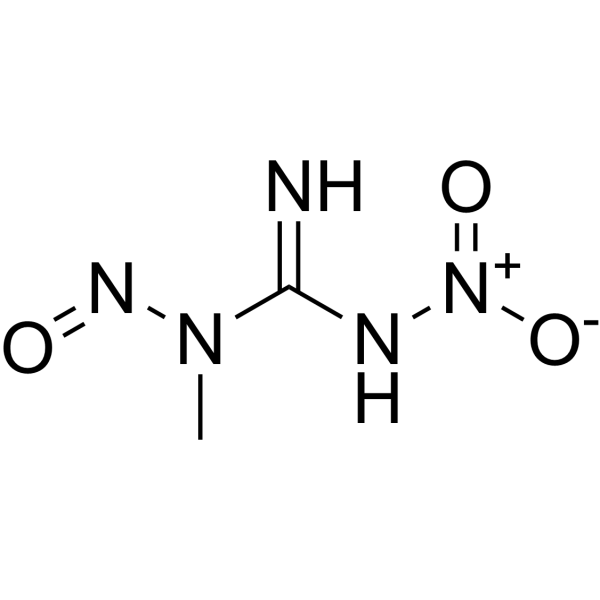
Methylnitronitrosoguanidine (MNNG) is an orally active alkylating agent with toxic and mutagenic effects. Methylnitronitrosoguanidine can as a carcinogen and mutagen. 50% water content, specifications are based on dry weight.
For research use only. We do not sell to patients.
- Purity : 99.97%
- CAS No.: 70-25-7
- Formula: C2H5N5O3
- Molecular Weight:147.09
-
Storage:Pure form -20°C, 3 years
* The compound is unstable in solutions, freshly prepared is recommended.

To place orders, for customer services and technical support, please contact: MedChemExpress USA
Tel: 609-228-6898 E-mail: [email protected] [email protected]


-
 Biological Activity
-
Chemical Information
-
Solvent & Solubility
- Purity & Documentation
- References
-
 Help & FAQs


-
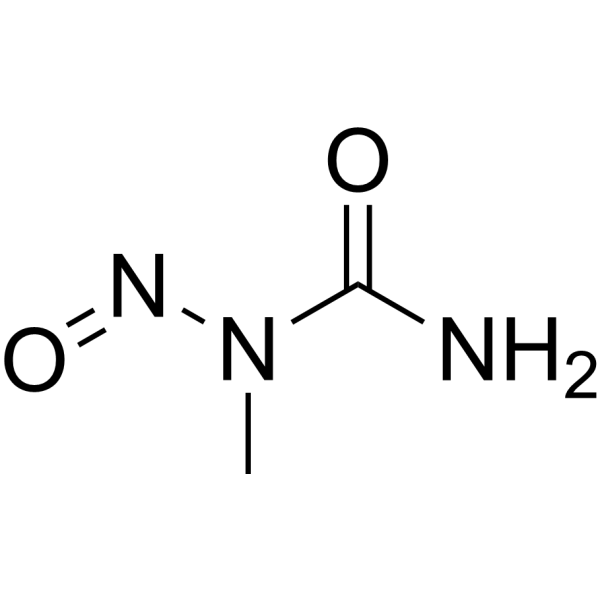
HY-34758
N-Nitroso-N-methylurea -

HY-E0264
Rodent Gnawing Blocks -
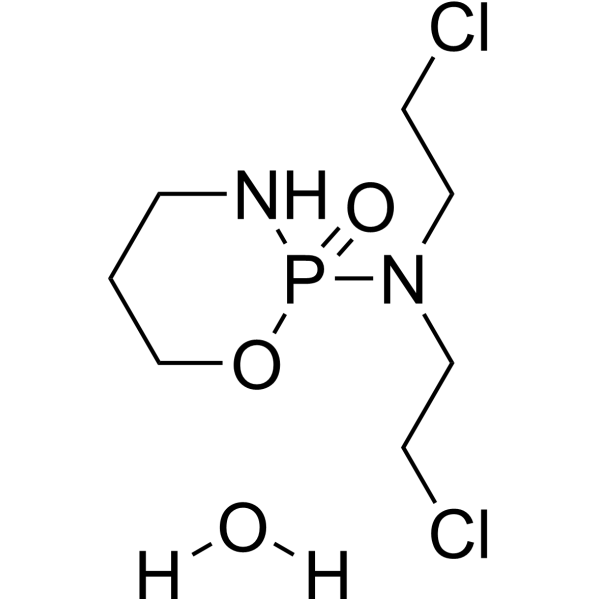
HY-17420A
Cyclophosphamide hydrate -
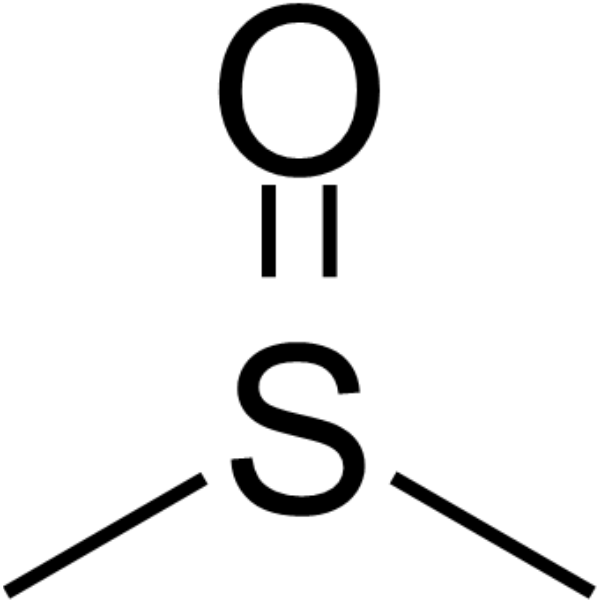
HY-Y0320
Dimethyl sulfoxide, meets analytical specification of Ch.P. -
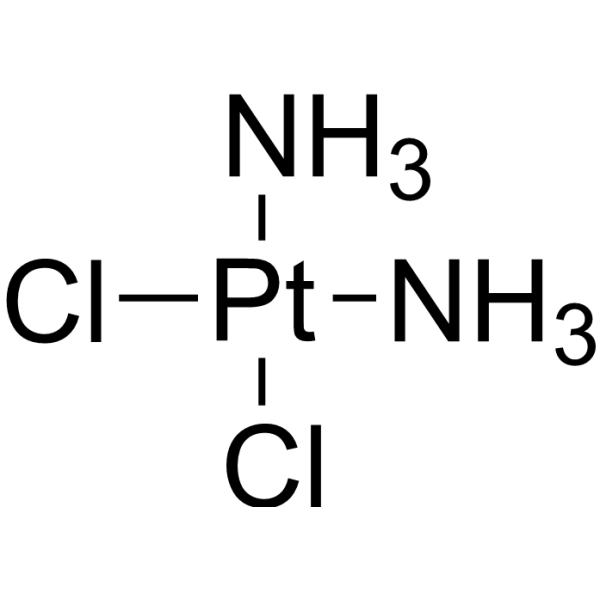
HY-17394
Cisplatin -
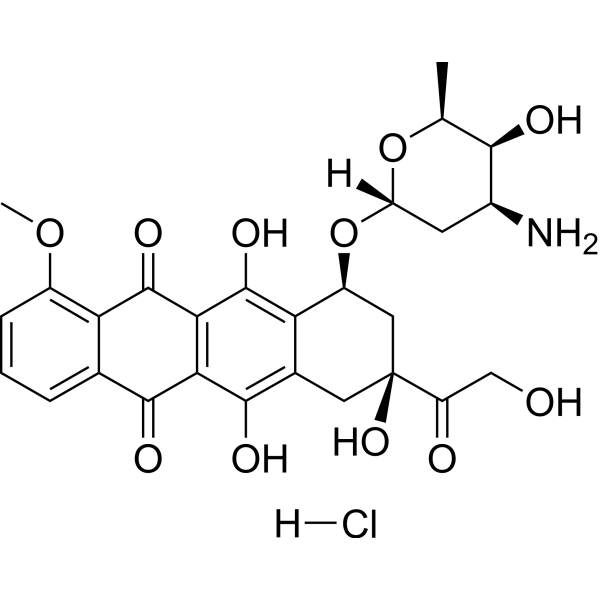
HY-15142
Doxorubicin hydrochloride -
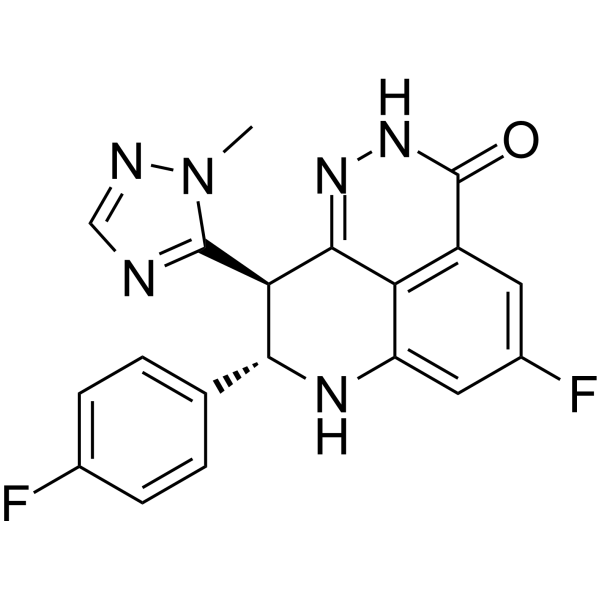
HY-16106
Talazoparib -
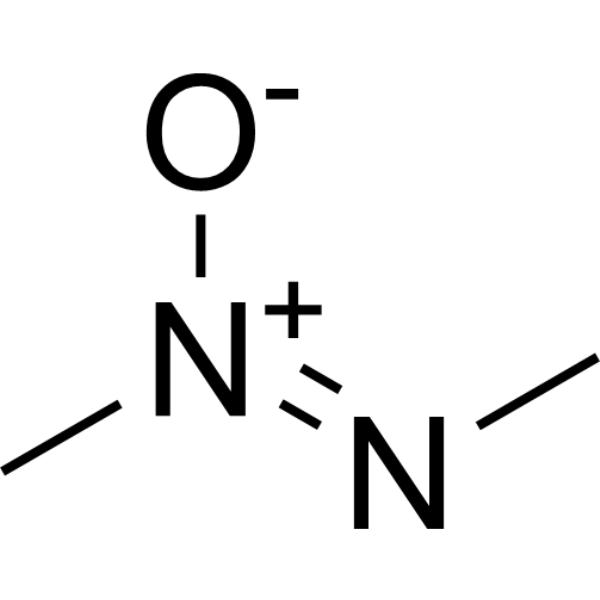
HY-111375
Azoxymethane -
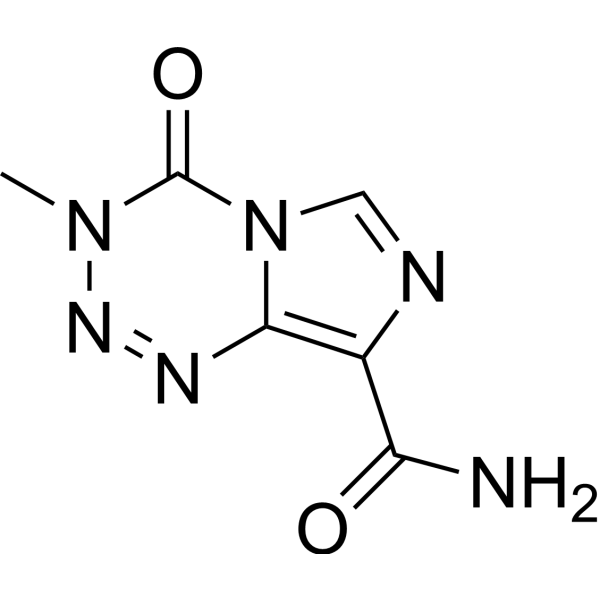
HY-17364
Temozolomide -
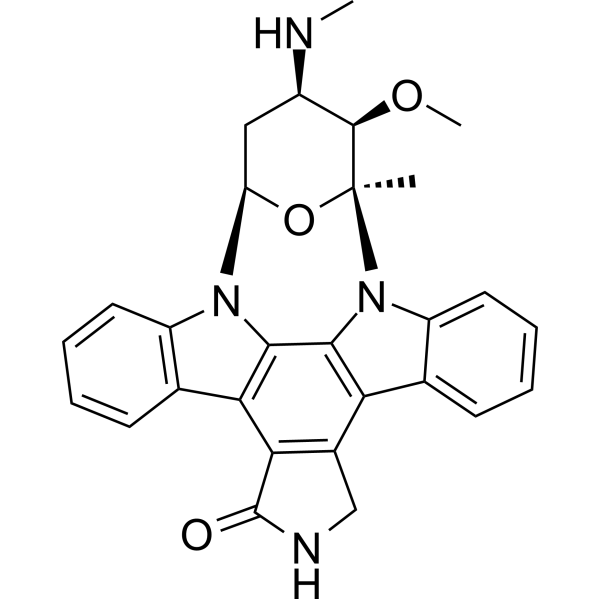
HY-15141
Staurosporine -
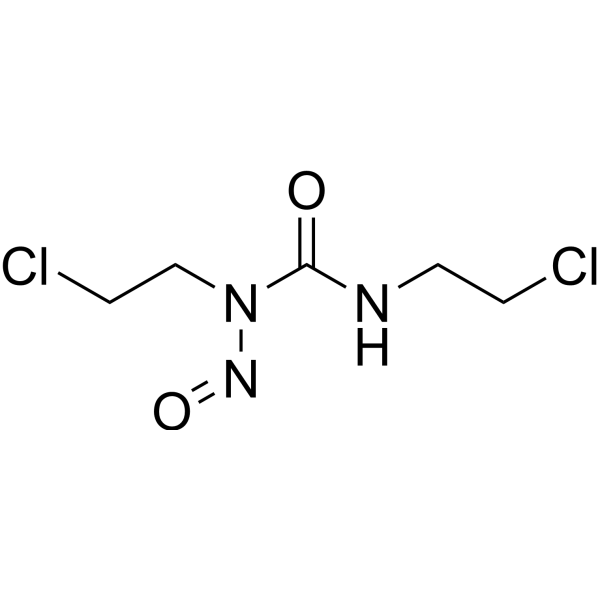
HY-13585
Carmustine -
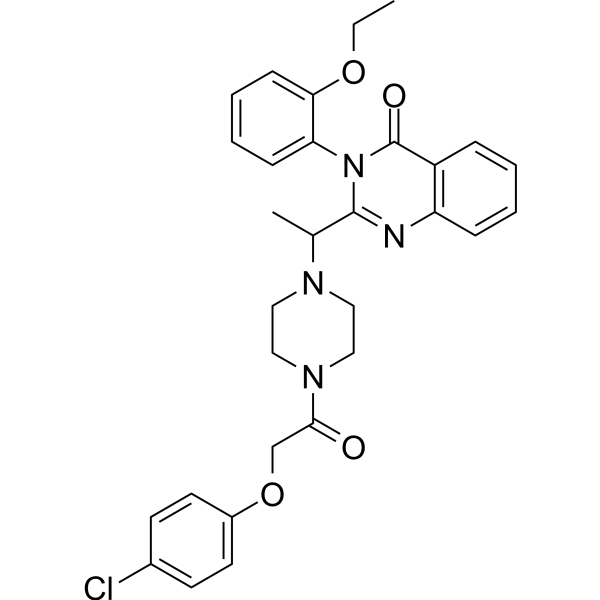
HY-15763
Erastin
Publications Citing Use of MedChemExpress (MCE) Methylnitronitrosoguanidine
More- Cancer Res. 2025 Sep 12. [Abstract]
- Cell Death Dis. 2024 Oct 27;15(10):779. [Abstract]
- Phytomedicine. 2026 Jun:155:158081. [Abstract]
- J Ethnopharmacol. 2025 Apr 9:345:119591. [Abstract]
- J Ethnopharmacol. 2023 Feb 10;302(Pt A):115885. [Abstract]
- J Agric Food Chem. 2024 Jun 10. [Abstract]
- Drug Des Devel Ther. 2025 Sep 8:19:7865-7885. [Abstract]
- Transl Res. 2024 Mar:265:26-35. [Abstract]
- Dig Liver Dis. 2024 Jul;56(7):1237-1247. [Abstract]
- BMC Cancer. 2024 Apr 22;24(1):504. [Abstract]
- Biochem Biophys Rep. 2026 Jan 15:45:102454. [Abstract]
- Toxicol Lett. 2024 Feb:392:64-74. [Abstract]
- Chem Biodivers. 2025 May;22(5):e202402549. [Abstract]
- Mol Cell Biol. 2026 Mar 19:1-18. [Abstract]
- bioRxiv. 2025 January 22.
 Customer Validation & Images

-
ELISA
-
Cell Imaging/Staining
-
RT-PCR
-
WB
-
Cell Imaging/Staining


Biological Activity
Description
In Vitro
Methylnitronitrosoguanidine (MNNG, 0-1100 nM; 24 h) has toxic and mutagenic effects among 3 human diploid lymphoblast lines, MIT-2, WI-L2, and GM 130[1].
MedChemExpress (MCE) has not independently confirmed the accuracy of these methods. They are for reference only.
In Vivo
-
Animal Model:Male Wistar albino rats[2]
-
Dosage:200 mg/kg
-
Administration:Oral administration, at 0 and 14th days
-
Result:Had the incidence of gastric cancer in Wistar albino rats is 100%.
Induced Disease Models
Please do not refer to only one article to determine the experimental conditions. It is recommended to determine the optimal experimental conditions (animal strain, age, dosage, frequency and cycle, detection time and indicators, etc.) through preliminary experiments before the formal experiment.
Methylnitronitrosoguanidine (MNNG) is an alkylating agent that can be used to induce models of chronic atrophic gastritis and gastric cancer. In complete medium, the half-life of MNNG is approximately 70 minutes[3].
Administration: fed with pure water containing 170 μg/ml MNNG for 10 weeks
Administration: 200 mg/kg • po • once daily for 2 weeks
(2) After 33 weeks, animals were allowed to fast and then were killed.
MedChemExpress (MCE) has not independently confirmed the accuracy of these methods. They are for reference only.


Chemical Information
-
CAS No. 70-25-7
-
Appearance Solid-Liquid Mixture
-
Molecular Weight 147.09
-
Formula C2H5N5O3
-
Color Light yellow to yellow
-
SMILES
N=C(N[N+]([O-])=O)N(C)N=O
-
Synonyms
MNNG
-
Shipping
Room temperature in continental US; may vary elsewhere.
-
Storage
Pure form -20°C 3 years * The compound is unstable in solutions, freshly prepared is recommended.


Publications (15)
-
Journal Impact Factor
-
Most Recent
-
Cancer Res
CircADAMTS12 Inhibits the Anti-Tumor Activity of Microglia to Enable Metastatic Colonization in the Brain. [Abstract]2025 Sep 12. PMID: 40939177 -
Cell Death Dis
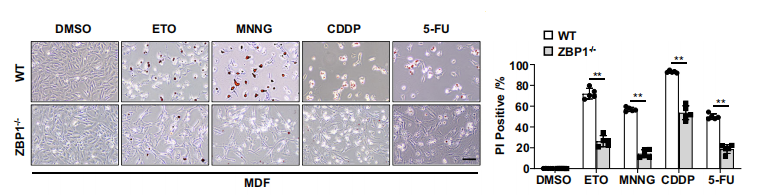
Sensing of endogenous retroviruses-derived RNA by ZBP1 triggers PANoptosis in DNA damage and contributes to toxic side effects of chemotherapy. [Abstract]2024 Oct 27;15(10):779. PMID: 39465258
Methylnitronitrosoguanidine purchased from MedChemExpress. Usage Cited in: Cell Death Dis. 2024 Oct 27;15(10):779. [Abstract]
N-methyl-N'-nitro-N-nitrosoguanidine (MNNG, 0.5 mM, 16 h) induced cell death in WT and ZBP1−/− dermal fibroblasts.
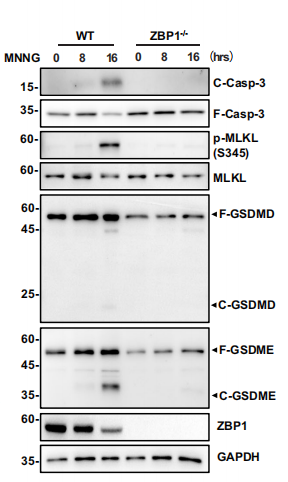
Methylnitronitrosoguanidine purchased from MedChemExpress. Usage Cited in: Cell Death Dis. 2024 Oct 27;15(10):779. [Abstract]
N-methyl-N'-nitro-N-nitrosoguanidine (MNNG, 0.5 mM, 16 h) induced Casp-3 cleavage, MLKL phosphorylation, and GSDME cleavage in WT dermal fibroblasts.
-
Phytomedicine
Astragaloside IV remodels gastric inflammation-cancer transformation by modulating the CXCL5-CXCR2 axis-mediated epithelial-mesenchymal transition. [Abstract]2026 Jun:155:158081. PMID: 41861684 -
J Ethnopharmacol
Network pharmacology-based exploration of the mechanism of Wenweishu granule in treating chronic atrophic gastritis with spleen-stomach cold deficiency syndrome. [Abstract]2025 Apr 9:345:119591. PMID: 40054637
Methylnitronitrosoguanidine purchased from MedChemExpress. Usage Cited in: J Ethnopharmacol. 2025 Apr 9:345:119591. [Abstract]
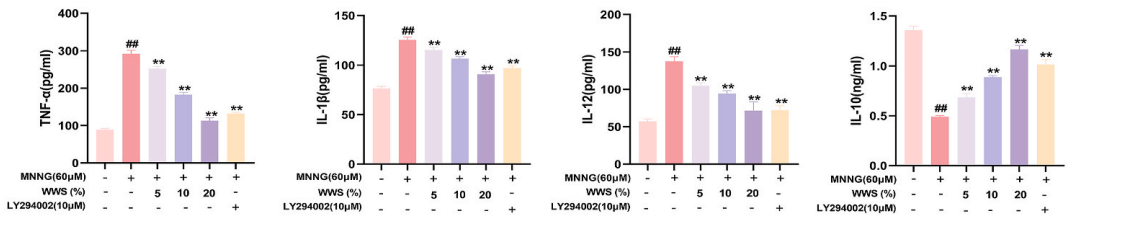
N-methyl-N'-nitro-N-nitrosoguanidine (MNNG, 60 μM, 24 h) increased TNF-α, IL-1β, and IL-12 and decreased IL-10 in GES-1 cells.
Methylnitronitrosoguanidine purchased from MedChemExpress. Usage Cited in: J Ethnopharmacol. 2025 Apr 9:345:119591. [Abstract]
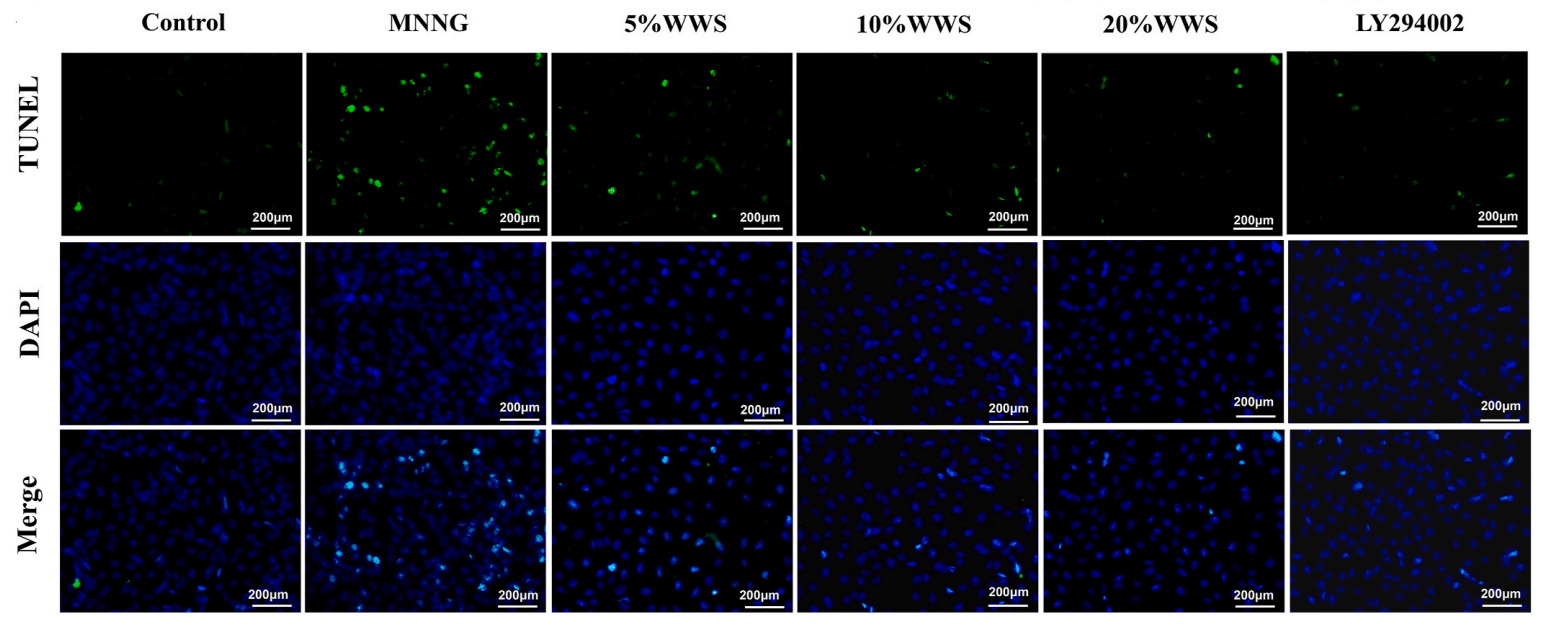
N-methyl-N'-nitro-N-nitrosoguanidine (MNNG, 60 μM, 24 h) induced apoptosis in GES-1 cells.
Methylnitronitrosoguanidine purchased from MedChemExpress. Usage Cited in: J Ethnopharmacol. 2025 Apr 9:345:119591. [Abstract]
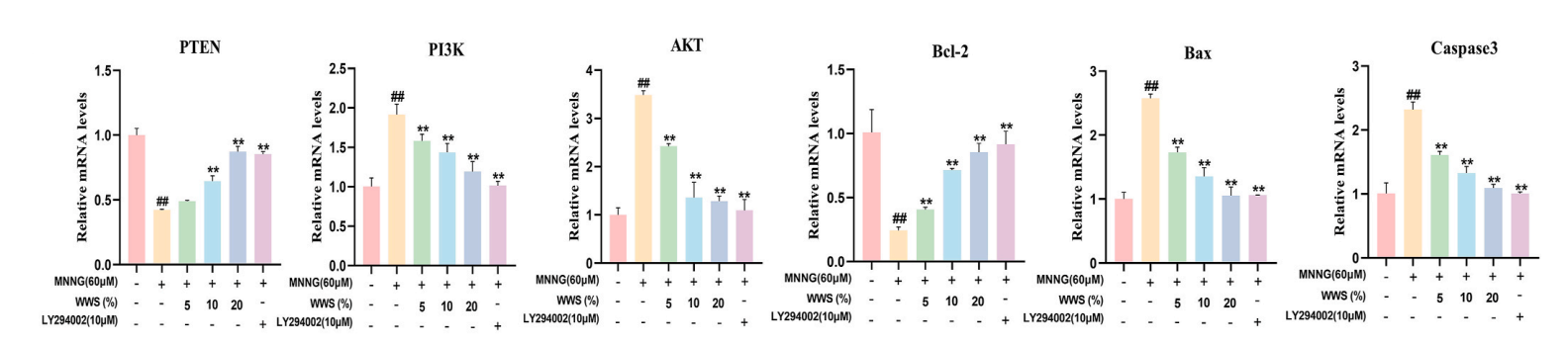
N-methyl-N'-nitro-N-nitrosoguanidine (MNNG, 60 μM, 24 h) upregulated the mRNA expression of PTEN, PI3K, AKT, Bcl-2, and Caspase-3, while downregulating Bax mRNA in GES-1 cells.
Methylnitronitrosoguanidine purchased from MedChemExpress. Usage Cited in: J Ethnopharmacol. 2025 Apr 9:345:119591. [Abstract]
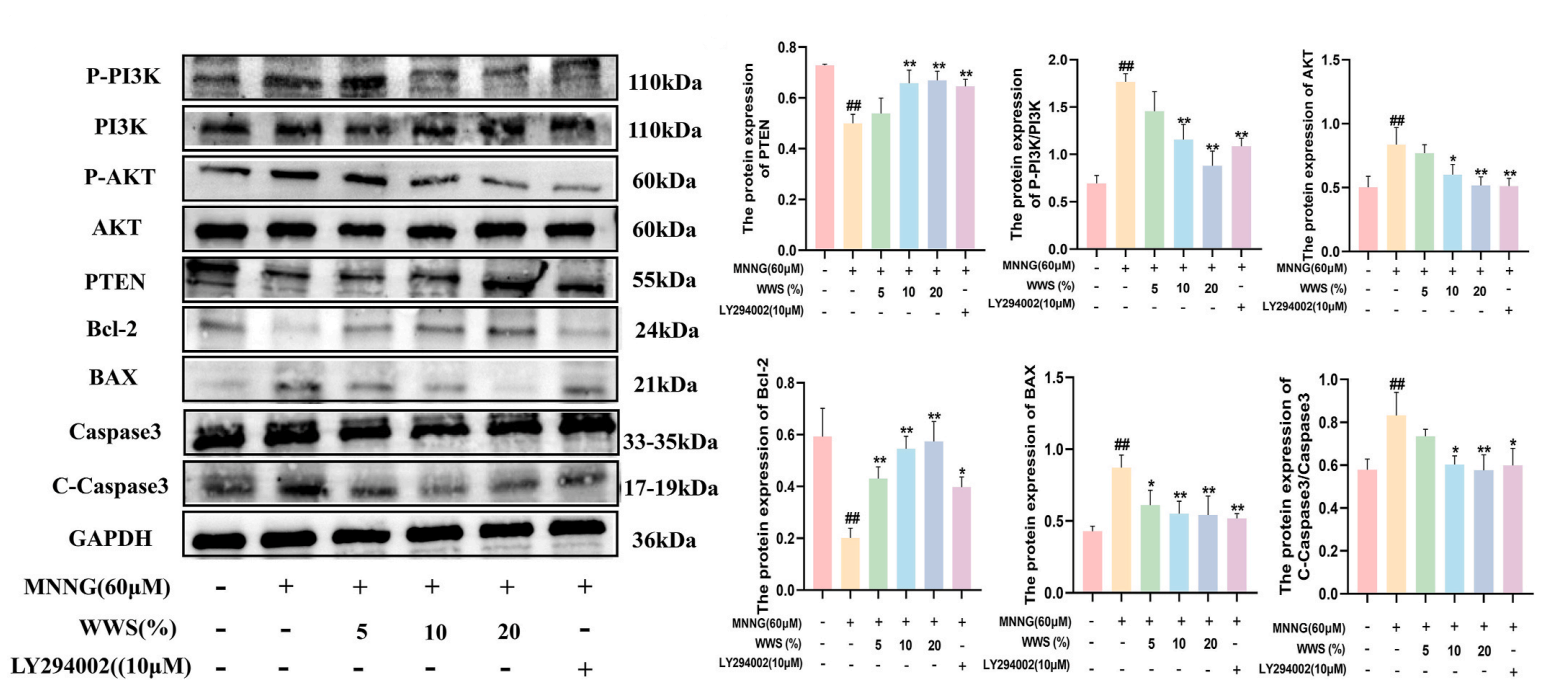
N-methyl-N'-nitro-N-nitrosoguanidine (MNNG, 60 μM, 24 h) increased the expression of PTEN, PI3K, AKT, Bcl-2, and Caspase-3, and decreased the expression of Bax in GES-1 cells.
-
J Ethnopharmacol
Gallic acid alleviates gastric precancerous lesions through inhibition of epithelial mesenchymal transition via Wnt/β-catenin signaling pathway. [Abstract]2023 Feb 10;302(Pt A):115885. PMID: 36328204 -
J Agric Food Chem
Ginsenoside Rg1 Suppresses Pyroptosis via the NF-κB/NLRP3/GSDMD Pathway to Alleviate Chronic Atrophic Gastritis In Vitro and In Vivo. [Abstract]2024 Jun 10. PMID: 38855973 -
Drug Des Devel Ther
Yangweishu Ameliorates Chronic Atrophic Gastritis with Stomach Yin Deficiency Syndrome Through IL-6/STAT3 Signaling Pathway. [Abstract]2025 Sep 8:19:7865-7885. PMID: 40969849 -
Transl Res
Novel MSH2 and TSC2 variants in a Chinese family with Lynch syndrome and their synergistic impact in urothelial carcinoma. [Abstract]2024 Mar:265:26-35. PMID: 37914149 -
Dig Liver Dis
TREM1 facilitates the development of gastric cancer through regulating neutrophil extracellular traps-mediated macrophage polarization. [Abstract]2024 Jul;56(7):1237-1247. PMID: 38151453 -
BMC Cancer
PROTAC EZH2 degrader-1 overcomes the resistance of podophyllotoxin derivatives in refractory small cell lung cancer with leptomeningeal metastasis. [Abstract]2024 Apr 22;24(1):504. PMID: 38644473 -
Biochem Biophys Rep
2026 Jan 15:45:102454. PMID: 41584303 -
Toxicol Lett
2024 Feb:392:64-74. PMID: 38184286 -
Chem Biodivers
Molecular Mechanisms of Magnolol in Gastric Precancerous Lesions: A Computational and Experimental Study. [Abstract]2025 May;22(5):e202402549. PMID: 39808163 -
Mol Cell Biol
Paeonol Ameliorates Gastric Mucosal Enterosis and Dysplasia Associated with Chronic Atrophic Gastritis by Modulating the JAK2/STAT3 Pathway. [Abstract]2026 Mar 19:1-18. PMID: 41852098 -


Solvent & Solubility
In Vitro:
DMSO : 100 mg/mL (679.86 mM; Need ultrasonic; Hygroscopic DMSO has a significant impact on the solubility of product, please use newly opened DMSO)
Please refer to the solubility information to select the appropriate solvent. The compound is unstable in solutions, freshly prepared is recommended.
Please refer to the solubility information to select the appropriate solvent. The compound is unstable in solutions, freshly prepared is recommended.
Concentration (start) × Volume (start) = Concentration (final) × Volume (final)
In Vivo:
Select the appropriate dissolution method based on your experimental animal and administration route.
- For the following dissolution methods, please ensure to first prepare a clear stock solution using an In Vitro approach and then sequentially add co-solvents:
- To ensure reliable experimental results, the clarified stock solution can be appropriately stored based on storage conditions. As for the working solution for In Vivo experiments, it is recommended to prepare freshly and use it on the same day.
- The percentages shown for the solvents indicate their volumetric ratio in the final prepared solution. If precipitation or phase separation occurs during preparation, heat and/or sonication can be used to aid dissolution.
Add each solvent one by one: 10% DMSO 40% PEG300 5% Tween-80 45% Saline
Solubility: ≥ 2.08 mg/mL (14.14 mM); Clear solution
This protocol yields a clear solution of ≥ 2.08 mg/mL (saturation unknown).
Taking 1 mL working solution as an example, add 100 μL DMSO stock solution (20.8 mg/mL) to 400 μL PEG300, and mix evenly; then add 50 μL Tween-80 and mix evenly; then add 450 μL Saline to adjust the volume to 1 mL.
Preparation of Saline: Dissolve 0.9 g sodium chloride in ddH₂O and dilute to 100 mL to obtain a clear Saline solution.
Add each solvent one by one: 10% DMSO 90% (20% SBE-β-CD in Saline)
Solubility: ≥ 2.08 mg/mL (14.14 mM); Clear solution
This protocol yields a clear solution of ≥ 2.08 mg/mL (saturation unknown).
Taking 1 mL working solution as an example, add 100 μL DMSO stock solution (20.8 mg/mL) to 900 μL 20% SBE-β-CD in Saline, and mix evenly.
Preparation of 20% SBE-β-CD in Saline (4°C, storage for one week): 2 g SBE-β-CD powder is dissolved in 10 mL Saline, completely dissolve until clear.
In Vivo Dissolution Calculator
Please enter the basic information of animal experiments:
-
-
-
-
Recommended: Prepare an additional quantity of animals to account for potential losses during experiments.
Please enter your animal formula composition:
-
%DMSO +
Recommended: Keep the proportion of DMSO in working solution below 2% if your animal is weak.
-
%+
-
+%Tween-80 + +
-
%Saline +
The co-solvents required include: DMSO, . All of co-solvents are available by MedChemExpress (MCE). , Tween 80. All of co-solvents are available by MedChemExpress (MCE).
Working solution concentration: 0.22 mg/mL
Method for preparing stock solution: mg drug dissolved in μL DMSO. Stock solution concentration: mg/mL. * The compound is unstable in solutions, freshly prepared is recommended.
1. Take μL DMSO stock solution;
2. Add μL .
μL , mix evenly;
3. Then add μL Tween 80, mix evenly;
4. Then add μL
Please ensure that the stock solution in the first step is dissolved to a clear state, and add co-solvents in sequence. You can use ultrasonic heating (ultrasonic cleaner, recommended frequency 20-40 kHz), vortexing, etc. to assist dissolution.


Purity & Documentation
-
Data Sheet (281 KB)
-
SDS (564 KB)
- English - EN (564 KB)
- Français - FR (564 KB)
- Deutsch - DE (564 KB)
- Norwegian - NO (564 KB)
- Español - ES (564 KB)
- Swedish - SV (564 KB)
- Italian - IT (564 KB)
- Korean - KR (564 KB)
- Portuguese - PT (564 KB)
-
Handling Instructions (2659 KB)
References
[1]. Slapikoff SA, et, al. Comparison of toxicity and mutagenicity of methylnitrosourea, methylnitronitrosoguanidine and ICR-191 among human lymphoblast lines. Mutat Res. 1980 May;70(3):365-71. [Content Brief]
[2]. Zhang L, Jia B, et, al. Corilagin induces apoptosis and inhibits HMBG1/PI3K/AKT signaling pathways in a rat model of gastric carcinogenesis induced by methylnitronitrosoguanidine. Environ Toxicol. 2022 May;37(5):1222-1230. [Content Brief]
[3]. Bignami M, et al. Temporal dissociation in the exposure times required for maximal induction of cytotoxicity, mutation, and transformation by N-methyl-N'-nitro-N-nitrosoguanidine in the BALB/3T3 ClA31-1-1 cell line. Cancer Res. 1984 Jun;44(6):2452-7. [Content Brief]
[4]. Wen JX, et al. Therapeutic effects and potential mechanism of dehydroevodiamine on N-methyl-N'-nitro-N-nitrosoguanidine-induced chronic atrophic gastritis. Phytomedicine. 2021 Oct;91:153619. [Content Brief]
[5]. Ghoneum MH, et al. Hydroferrate fluid, MRN-100, provides protection against chemical-induced gastric and esophageal cancer in Wistar rats. Int J Biol Sci. 2015 Jan 28;11(3):295-303. [Content Brief]


Complete Stock Solution Preparation Table
Please refer to the solubility information to select the appropriate solvent. The compound is unstable in solutions, freshly prepared is recommended.
| Optional Solvent | Concentration Solvent Mass | 1 mg | 5 mg | 10 mg | 25 mg |
|---|---|---|---|---|---|
| DMSO | 1 mM | 6.7986 mL | 33.9928 mL | 67.9856 mL | 169.9640 mL |
| 5 mM | 1.3597 mL | 6.7986 mL | 13.5971 mL | 33.9928 mL | |
| 10 mM | 0.6799 mL | 3.3993 mL | 6.7986 mL | 16.9964 mL | |
| 15 mM | 0.4532 mL | 2.2662 mL | 4.5324 mL | 11.3309 mL | |
| 20 mM | 0.3399 mL | 1.6996 mL | 3.3993 mL | 8.4982 mL | |
| 25 mM | 0.2719 mL | 1.3597 mL | 2.7194 mL | 6.7986 mL | |
| 30 mM | 0.2266 mL | 1.1331 mL | 2.2662 mL | 5.6655 mL | |
| 40 mM | 0.1700 mL | 0.8498 mL | 1.6996 mL | 4.2491 mL | |
| 50 mM | 0.1360 mL | 0.6799 mL | 1.3597 mL | 3.3993 mL | |
| 60 mM | 0.1133 mL | 0.5665 mL | 1.1331 mL | 2.8327 mL | |
| 80 mM | 0.0850 mL | 0.4249 mL | 0.8498 mL | 2.1245 mL | |
| 100 mM | 0.0680 mL | 0.3399 mL | 0.6799 mL | 1.6996 mL |


Methylnitronitrosoguanidine Related Classifications
HY-128612 Related Classifications
 Powered by Bioz
Keywords